Article Directory
The Fed's $125 Billion Flood: A Lifeline for Banks, A Green Light for Crypto?
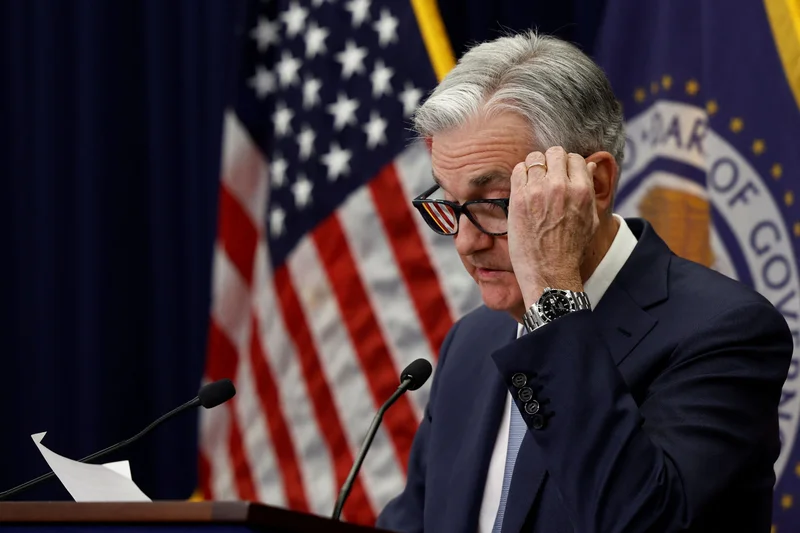
Okay, everyone, buckle up because something huge just happened, and it could reshape the financial landscape as we know it! The Federal Reserve quietly injected a staggering $125 billion into the U.S. banking system in just five days. I mean, wow! That's the biggest short-term liquidity move since the COVID-19 crisis of 2020. Why should you care? Because this seemingly technical maneuver could be the key to unlocking the next wave of crypto adoption and a more stable financial future.
The headlines are all doom and gloom, right? "Is this another sign of a failing economy?" "Is the Fed losing control?" Blah, blah, blah. I saw one headline that said, "Fed Quietly Floods Banks with Cash Again—What’s Going On?" Okay, let's reframe that: "The Fed is proactively safeguarding our financial system, preventing a crisis before it even starts!" See? Perspective is everything!
Think of the banking system as a complex network of pipes. When those pipes run dry, things get ugly fast. Banks need cash to meet daily demands, fund loans, and, you know, keep the whole economy humming. But lately, those reserves—the cash banks keep at the Fed—have been dwindling. We're talking a four-year low! Quantitative tightening is draining the system, and large Treasury sales are sucking up even more liquidity. It’s like trying to run a marathon with an empty water bottle.
So, what does the Fed do? They step in with a massive cash infusion via overnight repurchase agreements (repos). Essentially, banks trade U.S. Treasuries for cold, hard cash. It's like a pit stop for a race car—a quick refuel to keep them going strong. And it's not just about the big banks; this is a lifeline for smaller banks that are struggling with higher costs. This intervention helps ensure they have enough liquidity to meet daily needs.
But here's where it gets really interesting. This "stealth easing," as some are calling it, could be a major boon for risk assets like cryptocurrencies. Why? Because easy money policies historically fuel crypto rallies. The market is already pricing in a 67% chance that the Fed will cut rates in December. Imagine the possibilities! A flood of liquidity combined with lower interest rates? That's like rocket fuel for the crypto market!
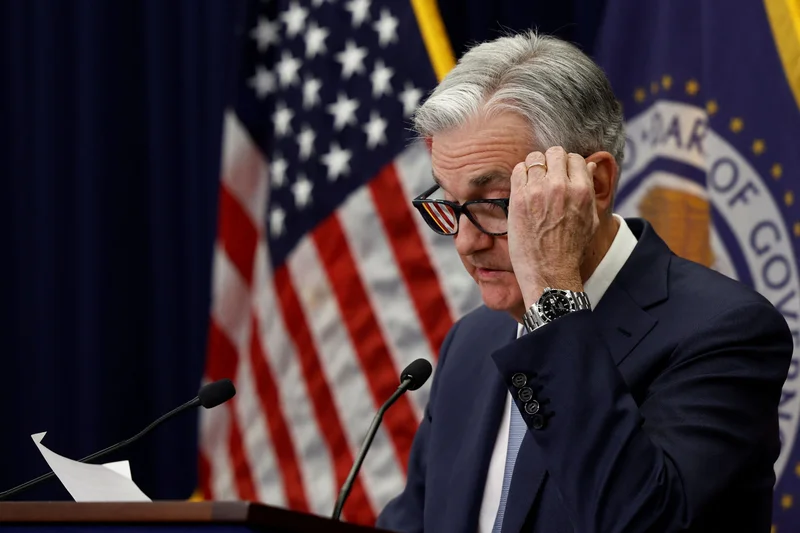
Now, I know what you’re thinking: “Aris, aren’t you being a little too optimistic?” Maybe. But I truly believe that this move signals a fundamental shift. The Fed is walking a tightrope, balancing the need to control inflation with the imperative to prevent financial cracks. And they're showing us that stability—especially now—takes priority over aggressive monetary tightening.
Of course, there are risks. Extra cash doesn't automatically translate to aggressive lending. Banks might just hoard the liquidity as a safety net. Persistent injections could even raise inflation if they're maintained long-term. And the plumbing of interbank and repo markets remains sensitive. Any disruption could ripple widely.
But let's focus on the upside. This is the kind of proactive intervention that can prevent a potential crisis before it spreads. It gives banks a buffer, reassures investors, and signals the Fed's readiness to act. Even with higher rates and tighter monetary policy, the Fed is still willing to step in and support the financial system. It’s a balance between keeping inflation in check and ensuring the system doesn’t implode.
What should we watch in the coming weeks? Keep an eye on bank reserves, repo rates, Fed communications, and Treasury issuance. Sudden spikes in funding costs could indicate returning stress. Market reactions will also reveal sentiment. And remember, this is not just about preventing a crash; it's about creating a more stable foundation for future growth.
The Dawn of a New Financial Era Is Upon Us!
This isn't just about numbers and policies; it's about building a more resilient and inclusive financial system. It's about empowering individuals and fostering innovation. When I see the Fed taking proactive steps like this, it reminds me why I got into this field in the first place. Let's seize this opportunity to create a brighter, more prosperous future for all!