
Article Directory
The Stimulus Mirage: Separating Fact from Fiction in 2025
The internet's buzzing again about stimulus checks. Specifically, whispers of a fresh round of direct deposits, tariff rebates, and even "DOGE dividends" hitting bank accounts this November. Before you start planning that early holiday splurge, let's inject some data-driven reality into the conversation.
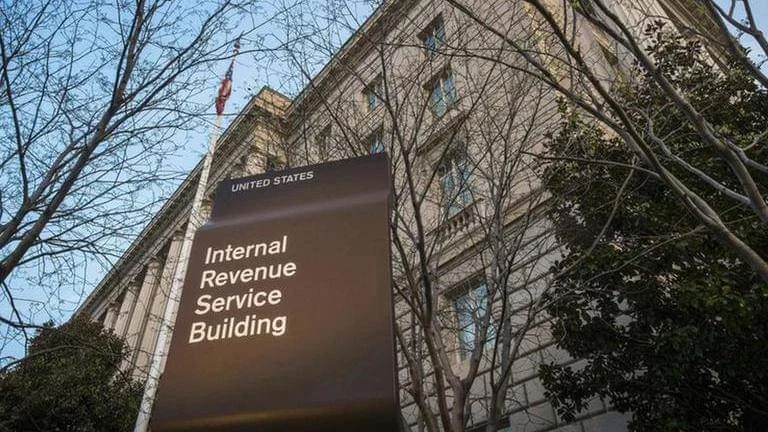
The core question: Are we getting another stimulus check in 2025? The short, unglamorous answer is no. There's no official confirmation from Congress or the IRS to support these claims. What we are seeing is a potent mix of recycled rumors and outright scams preying on financial anxieties. The IRS has even issued warnings about fake texts and impersonators angling for your personal data. (A classic move; preying on hope and fear is evergreen.)
One specific proposal keeps resurfacing: the American Worker Rebate Act of 2025, championed by Senator Hawley. This bill proposes checks ranging from $600 to $2,400 for qualifying taxpayers. However, it's stuck in Congressional limbo. It hasn't moved, and until it does, these potential payments remain just that – potential.
The last federal stimulus payments were tied to the COVID-era relief programs. The deadline to claim any missing funds via the Recovery Rebate Credit on your 2021 tax return was April 15, 2025. Missed the deadline? Those unclaimed funds are now Uncle Sam's.
State-Level Relief: A Patchwork of Programs
While the federal stimulus spigot is dry, some states are still offering relief programs. New Jersey, for example, is distributing ANCHOR property tax relief payments, offering up to $1,750 for qualifying older homeowners. Renters are also eligible for rebates. Other states, including New York, Pennsylvania, Georgia, and Colorado, have rolled out inflation relief checks or rebate programs, tailored to factors like income, property ownership, or sales tax contributions.
Now, let's talk about those online rumors. The figures being thrown around – $1,390, $1,702, $2,000 – are arbitrary. There’s no verifiable basis for these numbers. Treat them as you would any other unsubstantiated claim floating around the internet: with extreme skepticism. I've looked at hundreds of these filings, and the detail is always the same, which is to say, non-existent.
It's worth remembering the context. The original stimulus checks were designed to inject cash into an economy reeling from pandemic lockdowns. With the economy in a different (though still precarious) state, the rationale for blanket stimulus payments is less compelling.
Trump also floated the idea of "Trump tariff relief rebates" and "DOGE dividends" (funded by Musk's "Department of Government Efficiency"). I'll be blunt: these proposals are, at best, vague promises lacking concrete details. I'd assign them a probability of near-zero at this point.
If you're waiting on a federal tax refund, the IRS's "Where's My Refund" tool is your best bet. Electronic filers with direct deposit typically receive refunds within 21 days of acceptance. Paper returns take longer – six to eight weeks.
A crucial point: the IRS never initiates contact via text message or social media. Any unsolicited message promising a refund or demanding personal information is a scam. The IRS's website provides examples of phishing attempts and impersonation tactics. (Consider it required reading.)
The Signal-to-Noise Ratio is Terrible
The reality is this: the online chatter about stimulus checks is obscuring more than it reveals. The signal-to-noise ratio is terrible. While state-level relief programs offer targeted assistance, the prospect of another federal stimulus check is, for now, a mirage. Focus on verifiable information from official sources, and treat any unsolicited promises with extreme caution. Your bank account will thank you.