
Article Directory
Generated Title: Trump's Weight Loss Drug Deal: A Glimpse into a Healthier, More Affordable Future
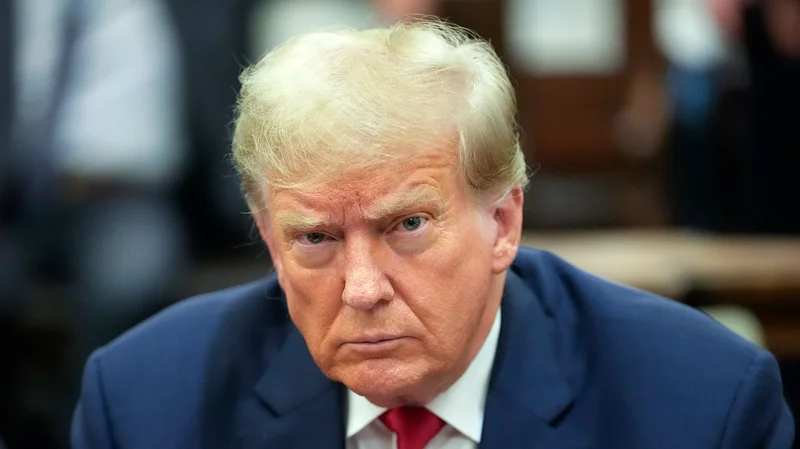
Alright, folks, buckle up, because something truly remarkable just happened, something that could reshape the health and well-being of millions! President Trump just announced a deal with Eli Lilly and Novo Nordisk to dramatically slash the prices of their weight loss drugs. Yes, that Donald Trump, making moves that might actually help people get healthier and save money. I know, shocking, right? But hear me out, because the implications of this are huge.
Imagine a world where these life-changing medications are within reach for everyone who needs them. No more exorbitant costs, no more choosing between health and financial stability. That's the potential we're looking at here, and it's frankly, breathtaking.
The TrumpRx Revolution
The core of this deal revolves around TrumpRx.gov, a new online platform launching in January. Think of it as a digital pharmacy, but with a twist: deeply discounted prices on GLP-1 drugs, including those for weight loss. We're talking about starting doses of upcoming obesity pills from Eli Lilly and Novo Nordisk potentially costing just $145 per month for Medicare, Medicaid, and TrumpRx users. Existing injections like Wegovy and Zepbound? They'll start at $350 per month on TrumpRx, eventually dropping to $245. Trump announces deal to sell some weight loss drugs for as low as $149 on TrumpRX
Now, before you dismiss this as just another political stunt, consider the sheer scale of the problem this aims to address. Obesity is a major health crisis in the U.S., contributing to a whole host of other issues like heart disease, diabetes, and sleep apnea. These GLP-1 drugs are incredibly effective, but their high cost has put them out of reach for so many who could truly benefit.
This deal isn't just about cheaper drugs; it's about democratizing access to healthcare. It's about empowering individuals to take control of their health without breaking the bank. Health and Human Services Secretary Robert F. Kennedy Jr. even boldly claimed that the American public will lose 125 million pounds by this time next year because of this expanded access. Ambitious? Absolutely. But even a fraction of that would be a massive win.
But let's be clear: this isn't a perfect solution. The article mentions that access will be "constrained" to patients who will "benefit clinically," with specific BMI and health condition criteria. This raises some important questions. Who gets to decide who benefits "clinically?" How do we ensure that these criteria don't inadvertently exclude those who need these drugs the most? And what about the long-term sustainability of these discounts?
What I find truly compelling is the potential ripple effect. If Medicare starts covering obesity drugs, it could spur more private insurers to follow suit, further expanding access and driving down costs across the board. Think of it like the introduction of the printing press – once information became more accessible, it sparked a revolution in knowledge and understanding. Could this be the start of a similar revolution in healthcare accessibility?
Eli Lilly is even lowering prices by $50 on its own direct-to-consumer platform, LillyDirect, which already offers Zepbound at a discount to cash-paying patients. The multidose pen of Zepbound will be available at $299 per month at the lowest dose, with additional doses being priced up to $449 per month. Eli Lilly's pill, once approved, will be available at the lowest dose starting at $149 per month.
And here's where it gets really interesting. This deal isn't just about weight loss drugs. It's part of a broader "most favored nation" policy, tying U.S. drug costs to the lowest prices abroad. In exchange for these discounts, companies like Eli Lilly and Novo Nordisk are getting exemptions from planned pharmaceutical tariffs. It's a bold, unconventional approach, and it's sparking a lot of debate. Are these deals truly in the best interest of the American people, or are they just another way for Big Pharma to protect its profits? What happens when the 'most favored nation' policy changes?
Of course, it's essential to acknowledge the potential downsides. Some worry about the long-term impact on innovation if drug companies are forced to slash prices. Others question the ethics of tying healthcare access to political deals. But I'm choosing to focus on the potential for good here. I'm choosing to believe that this is a step in the right direction, a step towards a future where healthcare is a right, not a privilege.
I was browsing a Reddit thread, and one user summed up my feelings perfectly: "It's about damn time. Maybe now my mom can finally afford the medication she needs." These are the kinds of stories that make me believe in the power of technology and policy to change lives.
A Brighter, Healthier Horizon
This isn't just about cheaper drugs or political maneuvering. It's about a fundamental shift in how we approach healthcare in this country. It's about prioritizing people over profits, about empowering individuals to take control of their health and well-being. It's about a future where everyone has the opportunity to live a longer, healthier, and more fulfilling life. And honestly, when I see something like this, it reminds me exactly why I got into this field in the first place.